
Financial planning, written before the next investment
Goals, cash flow, and holdings — reviewed in Vadodara


PrimeIdea is based in Vadodara and serves investors across Gujarat and India. Research is guided by Partha Shah, SEBI RA INH000017815. No guaranteed returns.
Vadodara
SEBI RA
India
Why have a financial plan?
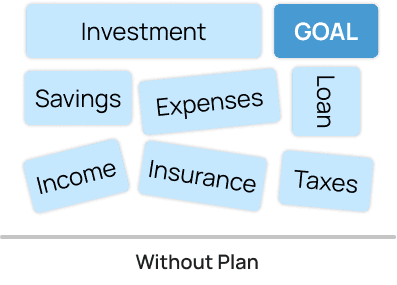
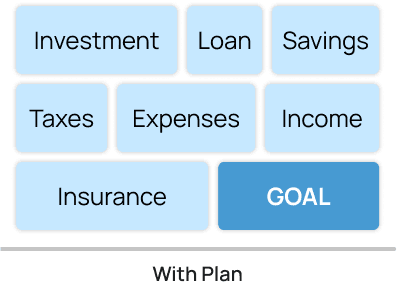
PrimeIdea writes a plan from your goals, cash flow, and current holdings — retirement, education, or longer-term saving. The review is guided by Partha Shah, SEBI Registered Research Analyst INH000017815.
The note is a next step, not a claim that one product is best. PrimeIdea does not provide SEBI Registered Investment Adviser advice unless separately registered, and does not guarantee returns.

Key Components for Financial Planning
- Budgeting
- Savings Strategies
- Investment Basics
- Risk Management
Budgeting
Budgeting is essential for effective financial planning. By tracking income and categorizing expenses, individuals and businesses can understand their financial health, identify savings opportunities, and make informed spending decisions.
Key benefits of budgeting include:

Track Income &
ExpenseBegin by meticulously recording all sources of income and expenditure to gain a comprehensive view of your financial situation.

Categorised
SpendingOrganize your expenses into categories like housing, transportation, and entertainment to spot areas for adjustment.

Set Realistic
GoalsDefine clear and achievable financial objectives that align with your income and expenses, ensuring they are measurable and time-bound.

Adjust
RegularlyFlexibility is key; be prepared to modify your budget as circumstances change, allowing for ongoing optimisation and improvement.

Review
ConsistentlyRegularly assess your budget to track progress, evaluate adherence to financial targets, and make informed decisions for future adjustments.
Steps for Financial Planning
Getting to know you
We start with your goals, cash flow, and existing assets and liabilities. Those details decide what the written plan has to cover.
Reviewing the holdings
We check overlap, cost, tax, and risk against the goal date. There is no automated adviser that picks a product for you.
Writing the next step
You receive a written note on what to keep, review, or change. It is not labelled the best plan, and it does not guarantee returns.
How we help in Financial Planning?
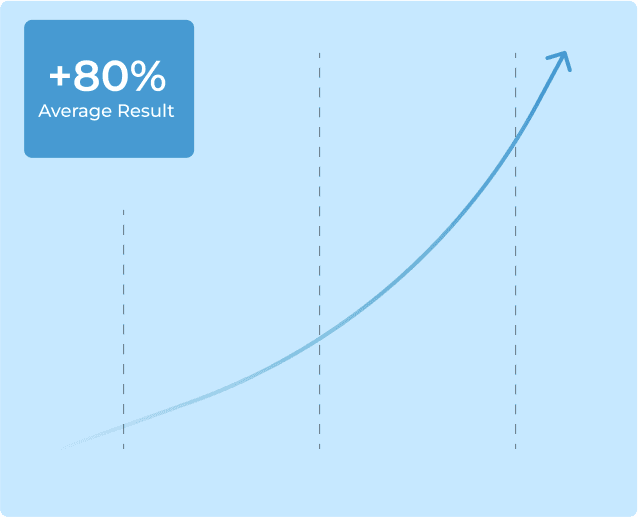
- 1
 Asset AllocationAsset allocation is the process of dividing your investments among different asset classes, like stocks, bonds, and cash, to balance risk and reward. It's essential in financial planning, as it helps reduce risk by diversifying your portfolio and should be regularly adjusted to align with your goals and market changes.
 - 2
 Diversification
Diversification involves spreading investments across various sectors, industries, and asset types to minimize the impact of any single asset’s poor performance on your overall portfolio. By diversifying, you reduce risk while aiming for stable returns, ensuring that no single investment dominates your portfolio’s performance. It’s a key strategy in managing volatility and achieving long-term growth.
- 3
 Goal Based Planning
Goal-based planning helps you align your financial strategy with your specific life goals, whether it’s buying a home, funding your child’s education, or preparing for retirement. By clearly defining your goals, you can create a tailored plan to prioritize savings and investment strategies that fit your timeline and risk tolerance, ensuring that you stay on track and focused.
- 4
 Portfolio Creation
Creating a well-structured portfolio is about selecting the right mix of investments that align with your financial goals, risk tolerance, and time horizon. This process involves carefully choosing a combination of assets such as equities, bonds, real estate, and alternatives to create a balanced portfolio that maximizes potential returns while managing risk.
- 5
 Quarterly Revision
Regular portfolio reviews, especially on a quarterly basis, are essential to ensure that your investments remain aligned with your goals and market conditions. By revisiting your portfolio regularly, you can make adjustments to optimize returns, manage risk, and stay on course to meet your financial objectives, especially as life circumstances and market conditions evolve.
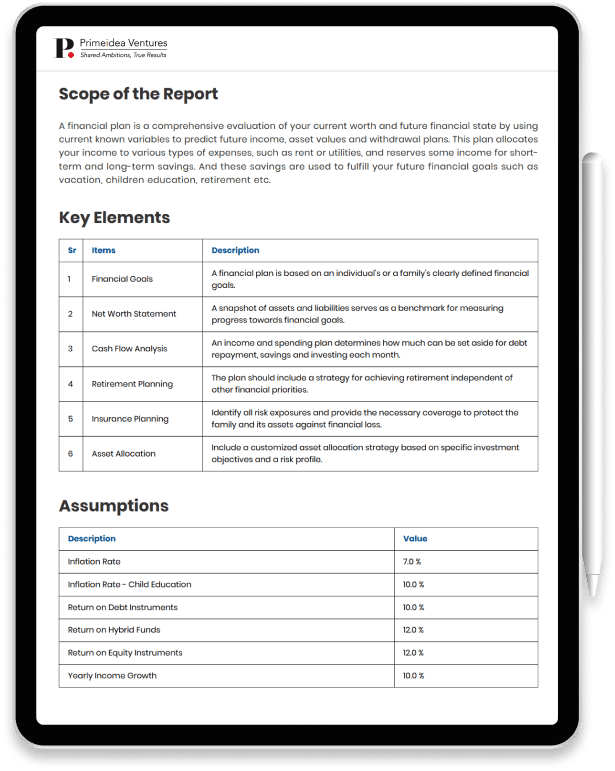
Here's what your personalized
financial report will look like
financial report will look like
- Goal Settings
- Financial Analysis
- Retirement Income Needs
- Risk Management
- Review & Monitoring

How the review is framed
Book a portfolio review Foundation Plan
Holdings are reviewed for cash needs, debt, and how much loss the investor can sit through. The note does not call any product secure.
Suitable for:
 Growth Plan
Equity and debt are checked for overlap, cost, and whether the mix still matches the goal date. Returns are not promised.
Suitable for:
 High Growth Plan
A larger equity share is reviewed for concentration, liquidity, and drawdown. A higher growth tilt also means a higher chance of loss.
Suitable for:
Insights & Innovations
Stay ahead with our latest articles on financial trends, investment strategies, and wealth management tips. Discover insights and strategies to keep your financial game strong and up-to-date.
Knowledge Centre


Written by Partha Shah
Finance PlanningNovember 28, 2024What is a Comprehensive Financial Planning?
What is Comprehensive Financial Planning? A Complete Guide to Secure Your Financial Future When it comes to securing your financial future, creating a clear and structured plan is essential. Comprehensive financial planning is an all-encompassing approach to managing your finances, ensuring that every aspect of your financial life is taken into account and optimized. Whether […]

Frequently Asked Questions
What is financial planning and why is it important?

Financial planning is the process of creating a comprehensive strategy to manage your finances, achieve goals, and secure your financial future. It ensures effective budgeting, saving, and investing for life’s milestones.
Is this SEBI Registered Investment Adviser advice?
How can financial planning help me achieve my goals?
How do I choose the right investment options?
What is the difference between active and passive investing?
Can financial planning help in managing debt?
What clients say about the process
Process-led feedback on portfolio review and planning conversations — not return promises.

The portfolio review mapped overlap across my SIPs before suggesting any change. Clear process, written next steps, and no pressure to buy a product.
Mr. Ravi Patel
IT Professional · Vadodara
They walked through allocation, cost, and tax impact on schemes I already held. I finally understood what each holding was meant to do in the book.
Ms. Priya Shah
Entrepreneur · Gujarat
Office and video reviews followed the same research checklist. Suitability came first — not a pitch list or a promise of performance.
Mr. Anand Desai
Senior Manager · Gujarat

Individual experiences vary. Investments in the securities market are subject to market risks. PrimeIdea Ventures does not guarantee returns.


Grow your wealth with a
personalised financial plan
