
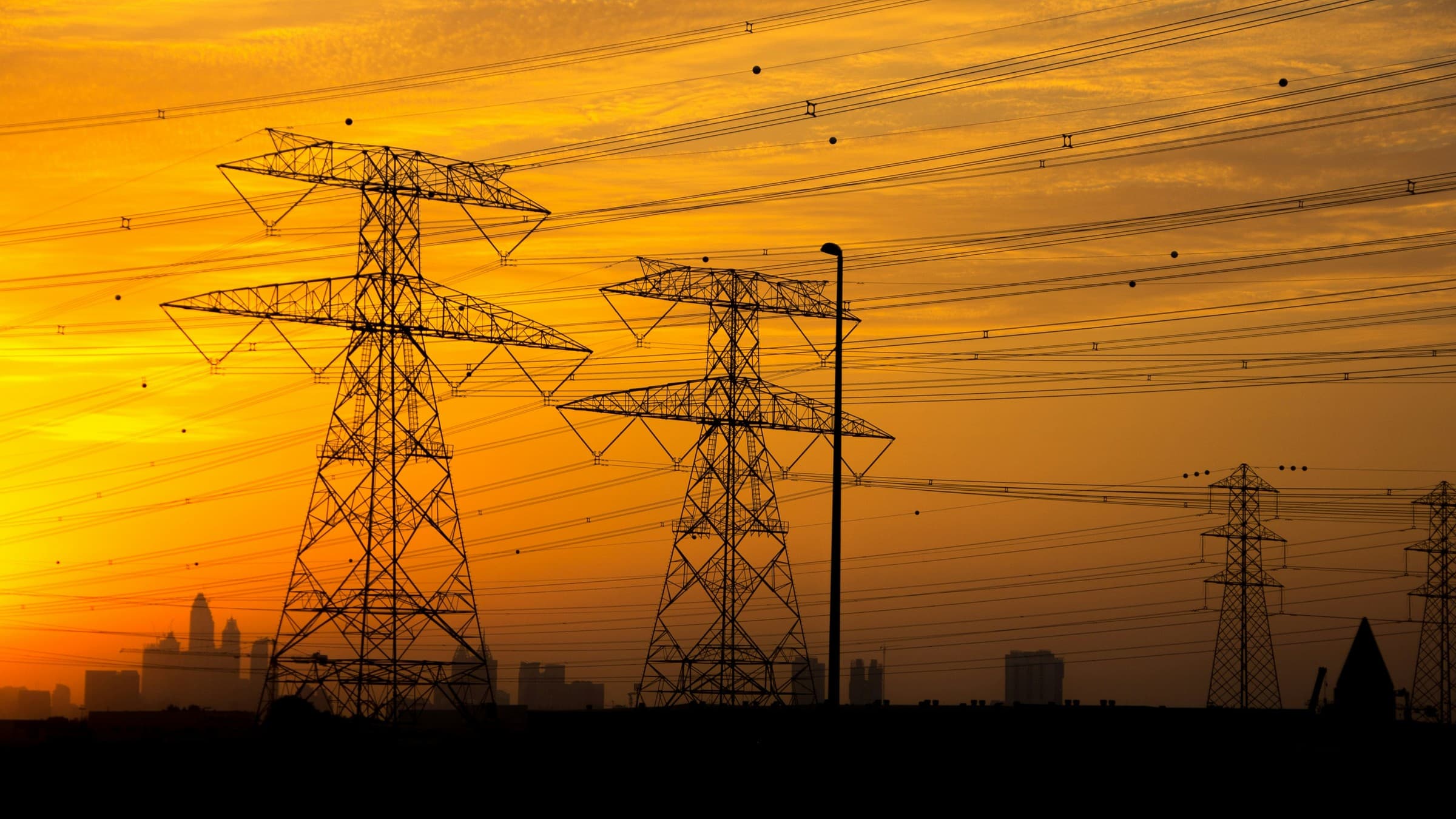
Powering India’s Next Decade
Power distribution is the next big theme in Indian investing. Here is the demand data, the mutual funds already positioned, and a decision framework.
Mutual funds have already voted on this theme. NTPC is held by 475 schemes with ₹55,202 crore invested, Power Grid by 304 schemes with ₹33,829 crore, Tata Power by 211, Adani Energy Solutions by 183.
Behind that conviction sits a hard demand curve: peak load of 270.73 GW moving toward 458 GW by FY32, with 130 GW of new cooling demand alone. Distribution capex runs ₹3.5 to 4.5 trillion under RDSS.
For most investors the decision is one established power or infrastructure fund. Every table needed to verify this sits at the end, with a downloadable dataset.
Executive Summary
Cooling, manufacturing, EVs and data centers are stacking on one grid, and the money that carries the build-out is distribution.
The dedicated funds are already sized up: Nippon India Power & Infra manages ₹8,137 crore on this theme, DSP Natural Resources & New Energy ₹2,574 crore, Tata Resources & Energy ₹1,409 crore.
The decision for most investors is a fund from an established AMC, not a stock-picking exercise. The tables below carry the full conviction ladder for direct exposure.
Why This Matters Now
India’s grid held at 270.73 GW peak in May 2024. Residential AC penetration sits at 8 % and reaches 40 % by 2035, adding 130 GW of demand on its own. Data centers need about 12 GW by 2030, and each 100 MW facility requires roughly 250 MW of solar, 150 MW of wind and 450 MWh of storage round the clock.
The 20th Electric Power Survey projects 296 GW by FY27. The National Electricity Plan targets 388 GW by FY32, revised to 458 GW by the Power Minister. Installed capacity stands near 453 GW against a 500 GW renewable target for 2030.
How We Got Here: The Plan and the Gap
The official response is ₹9.15 lakh crore of transmission capex through FY32, about ₹6.6 lakh crore of it inter-state, adding 1,91,474 ckm of lines and doubling inter-regional transfer to 168 GW.
Here is the catch. The plan needs about ₹81,000 crore a year; the industry delivers ₹45,000 to 48,000 crore. Of 82 projects under implementation, only 35 run on schedule, the rest about a year late.
Distribution is where the next decade of value sits. RDSS commits ₹3.5 to 4.5 trillion through FY30. Adani Energy Solutions carries a ₹73,500 crore smart metering book. BRPL runs 30 lakh consumers at 6.13 % AT&C losses with 40 MWh of storage live. Distribution modernization is funded, mandated, and reporting results.
What Is Already Working
Dynamic Line Rating unlocks 20 to 40 % more capacity from existing lines at 5 to 10x lower cost, in months. Power Grid commissioned India’s first 400 kV DLR line in September 2025.
HTLS conductors carry double the ampacity with about 25 % lower losses and pay back in about four years, with Sterlite Electric supplying about 20 % of India’s grid.
Battery storage scales from 8.68 GW by FY27 to 47.24 GW by FY32 against about ₹3.49 lakh crore of investment, with 3 GW live and a 51.6 GW pipeline behind it.
The Decision Framework
For most investors: one power or infrastructure fund from an established AMC does the ongoing work of tracking orders, tariffs and execution. The top 3 funds on this theme are in Table 5.
For direct investors: the allocation frame in Table 6 spreads exposure across transmission, integrated utilities, renewables, conductors, batteries, grid technology and distribution proxies.
The Honest Half
Every path ties back to hyperscaler and AI capex; if that slows, the theme carries the damage. Chinese cells land 20 to 30 % cheaper until localization around FY28. Execution already runs a year late on most projects. Size positions for a decade, not a quarter.
The One Line
India will add more peak demand in the next six years than the entire grid carries today. Distribution is where it lands, and the funds holding that build-out are in the tables below.
The Investor Data Room
Every number in this article, in table form. The complete dataset, including project-level detail, is downloadable below.
Table 1. The Demand Curve
| Metric | Value |
|---|---|
| Peak demand recorded, May 2024 | 270.73 GW |
| Projected peak, FY27 | 296 GW |
| NEP target, FY32 | 388 GW |
| Revised target, FY32 | 458 GW |
| Installed capacity | About 453 GW |
| Renewable target, 2030 | 500 GW |
| New cooling demand by 2035 | 130 GW |
| Data center demand by 2030 | About 12 GW |
Table 2. Capex, the Gap, and the Distribution Build
| Item | Value |
|---|---|
| Transmission capex through FY32 | ₹9.15 lakh crore |
| Inter-state share | About ₹6.6 lakh crore |
| Inter-regional transfer | 119 to 168 GW |
| Required annual run-rate | ₹81,000 crore |
| Actual three-year average | ₹45,000 to 48,000 crore |
| Projects on schedule | 35 of 82 |
| Distribution capex, RDSS | ₹3.5 to 4.5 trillion |
| Smart metering book, Adani Energy | ₹73,500 crore |
Table 3. Optimize and Bend Economics
| Technology | Economics |
|---|---|
| Dynamic Line Rating | 20 to 40 % capacity unlock, 5 to 10x cheaper |
| HTLS conductors | 2x ampacity, 25 % lower losses, 4 year payback |
| BESS target, FY27 | 8.68 GW / 34 GWh |
| BESS target, FY32 | 47.24 GW / 236 GWh |
| BESS investment estimate | About ₹3.49 lakh crore |
| ACC battery PLI | ₹18,100 crore for 50 GWh |
| Operational today vs pipeline | 3 GW live, 51.6 GW pipeline |
| JSW Energy target | 40 GWh by 2030 with LGES |
Table 4. Mutual Fund Conviction Ladder, July 2026
| Stock | Schemes | MF Value |
|---|---|---|
| NTPC | 475 | ₹55,202 Cr |
| Power Grid | 304 | ₹33,829 Cr |
| Tata Power | 211 | ₹8,400 Cr |
| Adani Energy Solutions | 183 | ₹13,401 Cr |
| Adani Power | 178 | ₹9,645 Cr |
| JSW Energy | 177 | ₹7,205 Cr |
| NHPC | 144 | ₹5,458 Cr |
| Torrent Power | 144 | ₹11,436 Cr |
| Adani Green | 132 | ₹2,015 Cr |
| NTPC Green | 100 | ₹2,906 Cr |
Table 5. Top 3 Funds on This Theme
| Fund | AUM |
|---|---|
| Nippon India Power & Infra | ₹8,137 Cr |
| DSP Natural Resources & New Energy | ₹2,574 Cr |
| Tata Resources & Energy | ₹1,409 Cr |
Table 6. Allocation Frame for Direct Investors
| Weight | Exposure |
|---|---|
| 25 % | Transmission: Power Grid, Adani Energy Solutions |
| 20 % | Integrated utilities with storage: Tata Power, NTPC |
| 15 % | Renewables with BESS: Adani Green, JSW Energy |
| 15 % | HTLS manufacturing: Sterlite, Apar, KEC |
| 10 % | Batteries: Exide, Amara Raja, Waaree |
| 10 % | Grid technology: Siemens, ABB, Hitachi Energy |
| 5 % | Distribution proxies: Torrent Power, CESC |
Download the complete dataset (Excel) with every table, ready for review and filtering.
Data basis: NEP, Electric Power Survey, CareEdge Ratings January 2026, July 2026 MF shareholding data. Verify live quotes before acting. Research candidates, not assured returns. Values can fall as well as rise.